The Red Lipstick Rule: Choosing the Shade by Skin Tone
Red lipstick is not universal — it has cool and warm tones. To hit the right shade for your skin tone, look at the veins on your wrist.
By Nesreen · 5 September 2026 · 3 min read
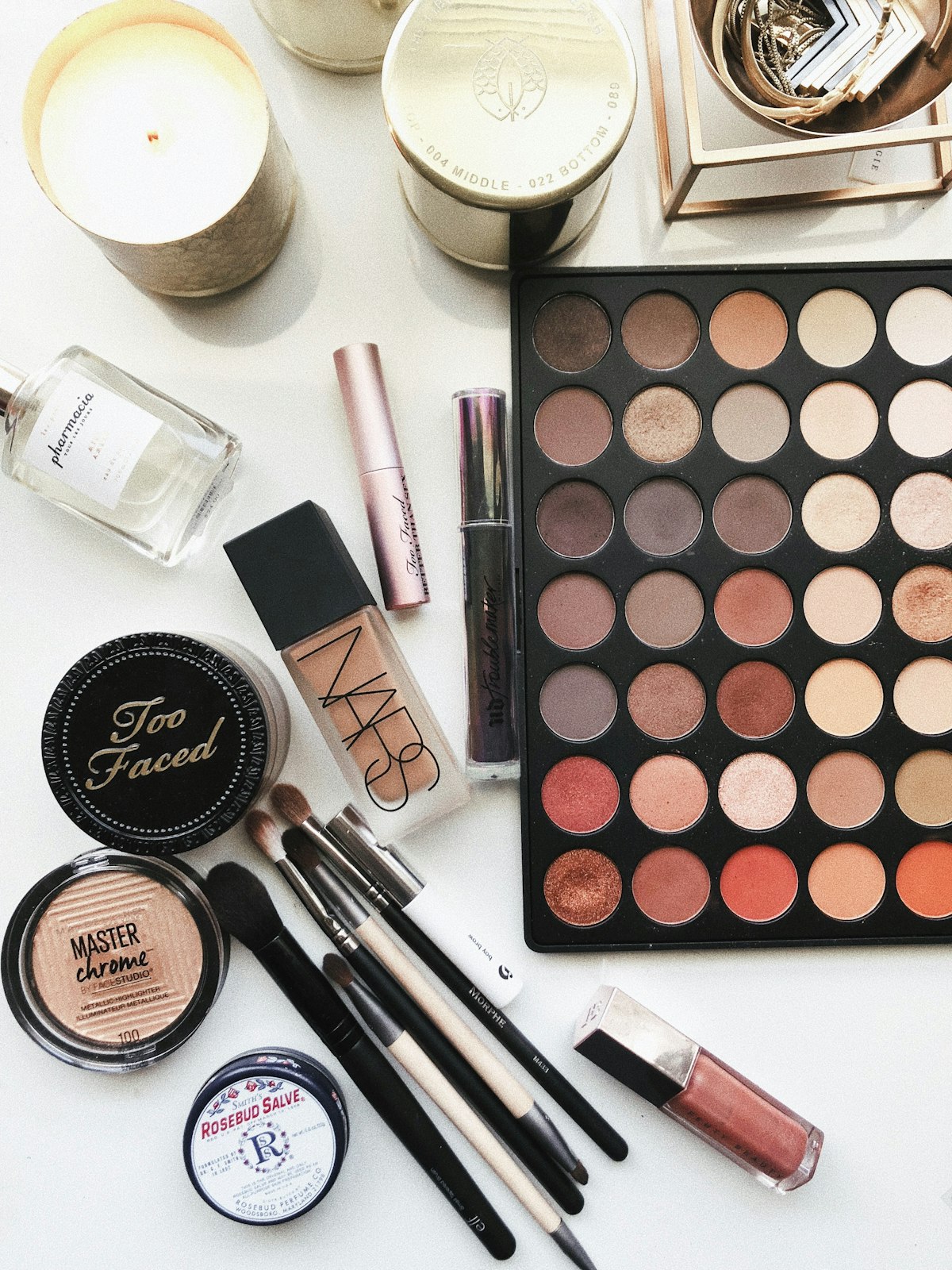
Red lipstick is a classic, but not every red suits every skin. The reason is simple: red itself divides into two groups — cool and warm.
How to determine your skin tone
Check the veins on the inside of your wrist in natural light:
- Veins look blue or purple — skin tone is cool.
- Veins look green — skin tone is warm.
- You see both — you are neutral, both reds suit you.
Red for cool skin tone
Cool (pink) tone has a blue undertone. The matching red:
- Ruby red — classic red with a blue undertone.
- Cherry — dark, deep, a little purple shade.
- Fuchsia-red — bright, close to pink red.
These make teeth look whiter, skin fresher.
Red for warm skin tone
Warm (golden) tone has a yellow undertone. The matching red:
- Orange-red — the warm version of classic red.
- Brick red — dark, close to brown red.
- Coral-red — light, sunny, summer red.
These preserve the skin's own warmth, look not artificial.
Keep in mind
- Matte finish — lip shape is clear, looks professional.
- Glossy finish — gives volume, looks young.
- Satin finish — between matte and glossy, most practical.
If trying red for the first time, choose satin finish — it forgives but does not harden.
Base and finish
Red lipstick shows every flaw. First balm, then lip base or concealer. After finish, draw the contour with a lip pencil.
A good red lipstick will not let you leave the room without make-up — but gives you confidence when you do.
Testing rule
Test the lipstick not in shop light but by a window. Check not on the back of your hand but on the lower edge of your lip — skin tone is closer there.
Tags
- Red lipstick
- Make-up
- Colour
You may also like
 Skincare
A Practical Approach to Choosing SPF: Which Number, Which Filter
10 September 2026 · 3 min read
 Fragrance
Perfume Layering: The Technique of Layering for Lasting Scent
3 September 2026 · 2 min read
 Skincare
Repairing Skin in Autumn: Five Steps That Undo the Summer
1 September 2026 · 5 min read